

Powerful Benefits of Using Zinc Dust in Manufacturing
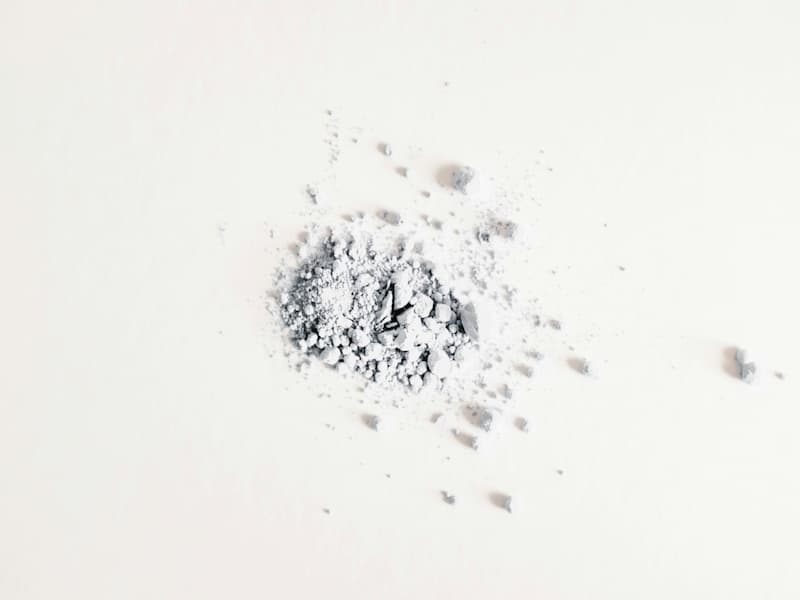
Zinc dust is a fine, grey powder produced by atomizing or distilling molten zinc metal. Each particle is almost pure elemental zinc, giving the material a high surface area and strong reducing power. The dust is non-toxic in its solid form, yet it remains reactive enough to serve the needs of heavy industry without requiring handling gear.
Zinc Dust Industrial Advantages
Zinc dust is used in many production lines because it offers strong protective qualities and supports efficient chemical processes. Below are the main industrial advantages of zinc dust:
- Corrosion Shield
Many factories mix zinc dust into primers and spray-on coatings to build a strong protective layer. The zinc takes the damage first, which keeps the steel safe even when the surface gets scratched. Later, a thin oxide film forms, adding another layer of defense. This extra shield helps bridges, ships, and pipelines stay in good shape for decades.
- Lower Heat Stress During Use
Unlike hot-dip galvanizing, zinc coatings harden at temperatures under 200 °C. This makes the method safe for high-strength parts like bolts, springs, and welded pipes. These items keep their shape and strength because there is no risk of warping. Cold-galvanizing sprays also let field workers repair worn spots on large structures without removing any parts.
- Strong and Affordable Reducing Agent
Zinc dust releases electrons faster than most metals. Refineries rely on this to pull gold and silver out of cyanide solutions in the Merrill–Crowe process. The results reach over 99% recovery while keeping production costs low.
- Desulfurization Without Hydrogen
Fuel plants use zinc to remove sulfur from diesel and naphtha. The reaction creates stable zinc sulfide solids that filter out easily. This method removes the need for high-pressure hydrogen and expensive nickel catalysts, helping facilities cut operating costs by nearly half
- Adjustable Conductivity
By changing how much zinc dust is added, coatings can conduct electricity at different levels. This makes them useful for battery collectors and radio-frequency shields on plastic device casings. There is no need for expensive silver or carbon materials, keeping production costs very low.
Safety and Compliance Advantages
Zinc is not labeled as a cancer risk. Cleaning up spills only needs simple tools, and the waste can go to a regular landfill. The dust also contains no volatile organic compounds, helping facilities meet environmental rules without redesigning their coating lines.
Demand for zinc dust is expected to grow steadily at around 5% each year until 2030. The rise comes from sectors such as offshore wind towers and battery factories. Many manufacturers are already signing long-term supply deals to secure stable prices and guaranteed stock during market swings.